







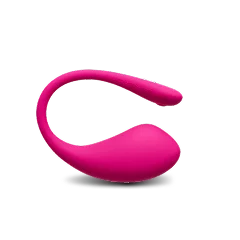
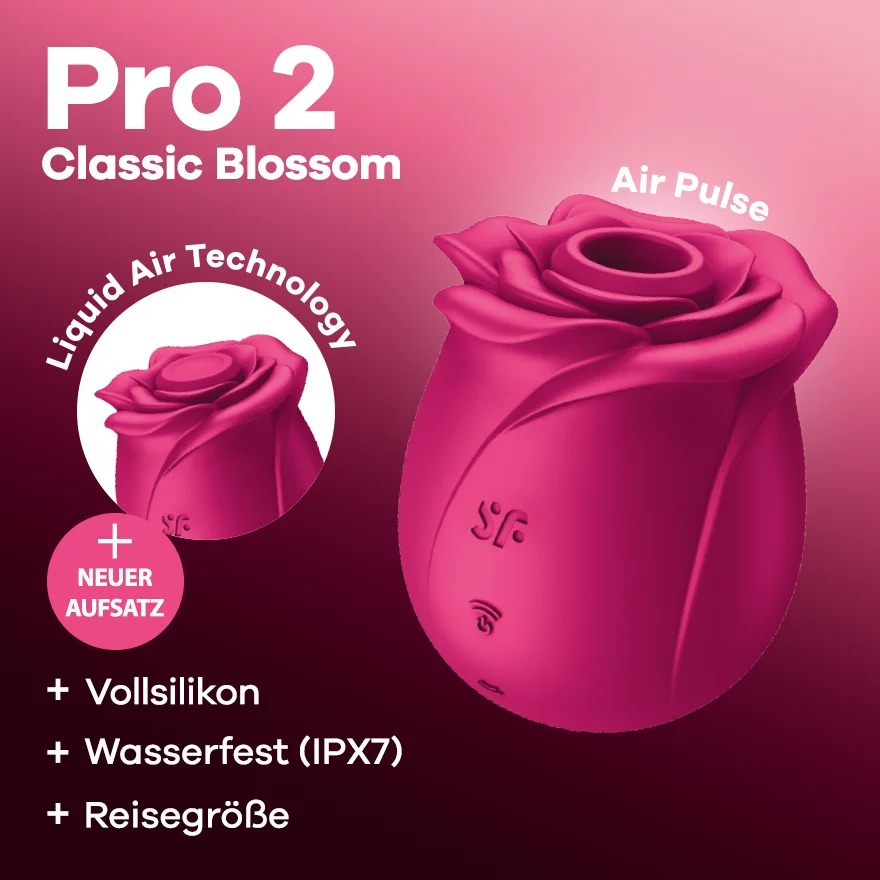
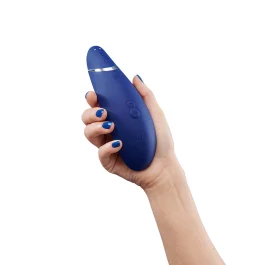
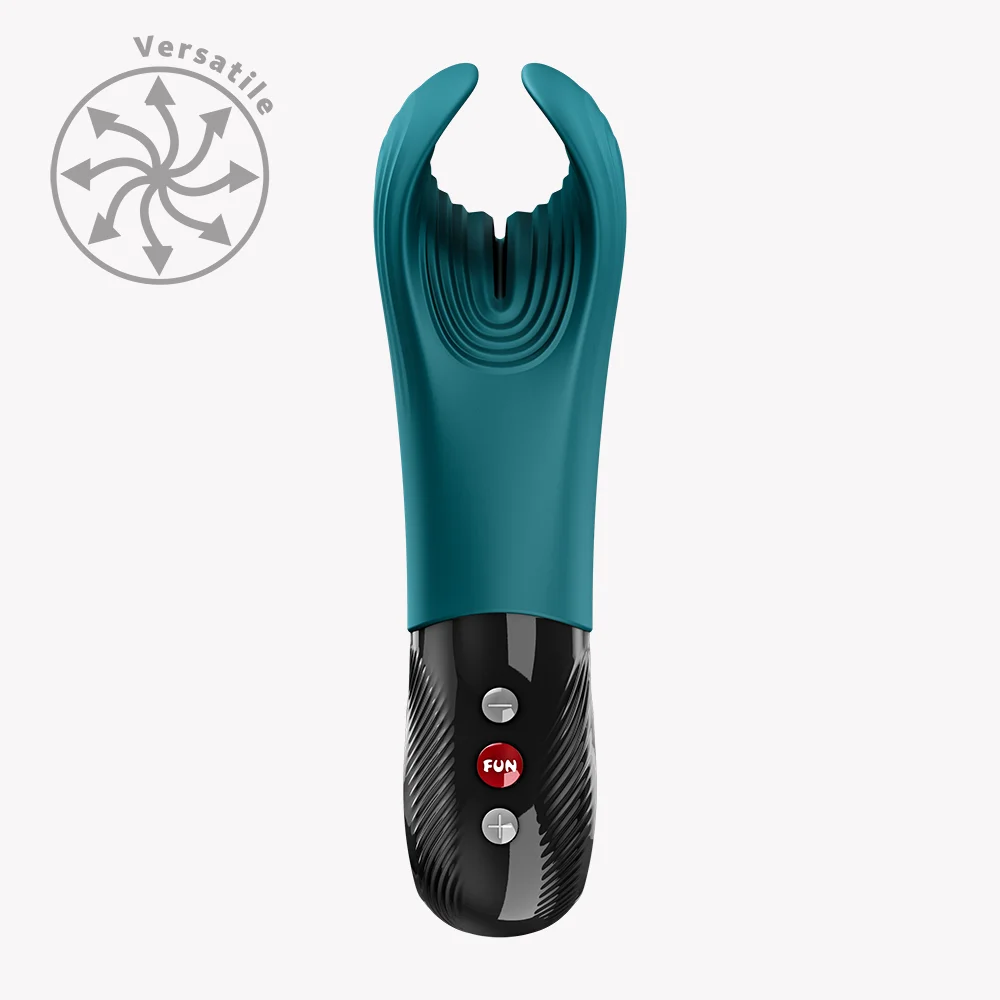
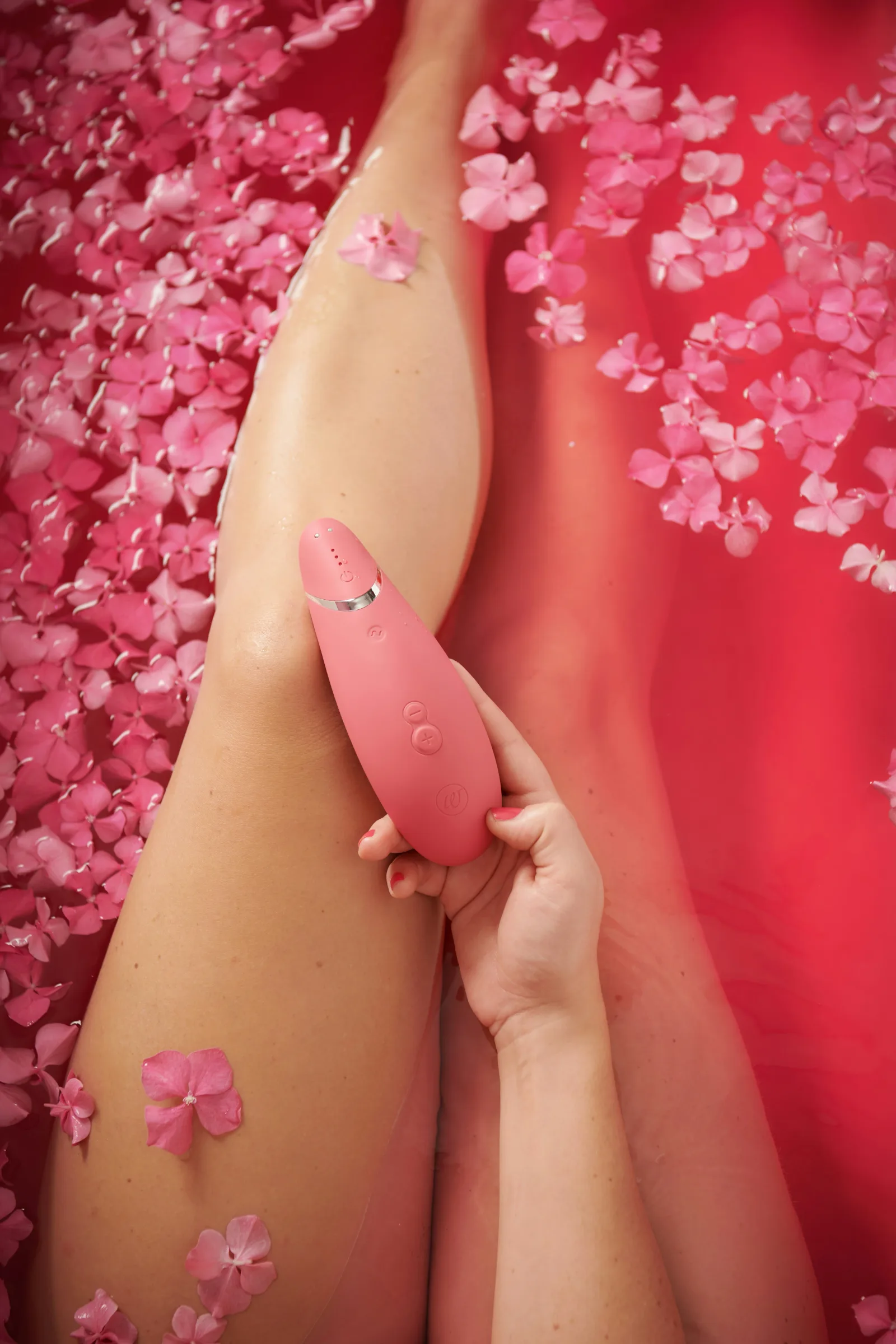
Plenty of people own an air-pulse device without knowing why the sensation feels unlike anything else. Pleasure Air, patented in the mid-2010s, rests on a physical principle that has nothing to do with a vibrator motor. This article covers where the invention came from, what actually happens inside the head, what a decade of development changed beyond the product itself, and how to pick a model that fits you.
What Pleasure Air technology actually is
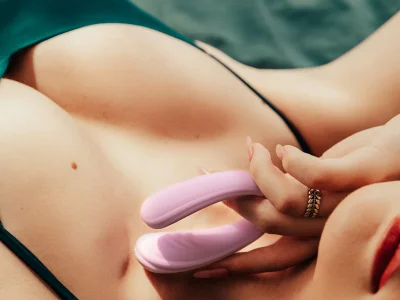
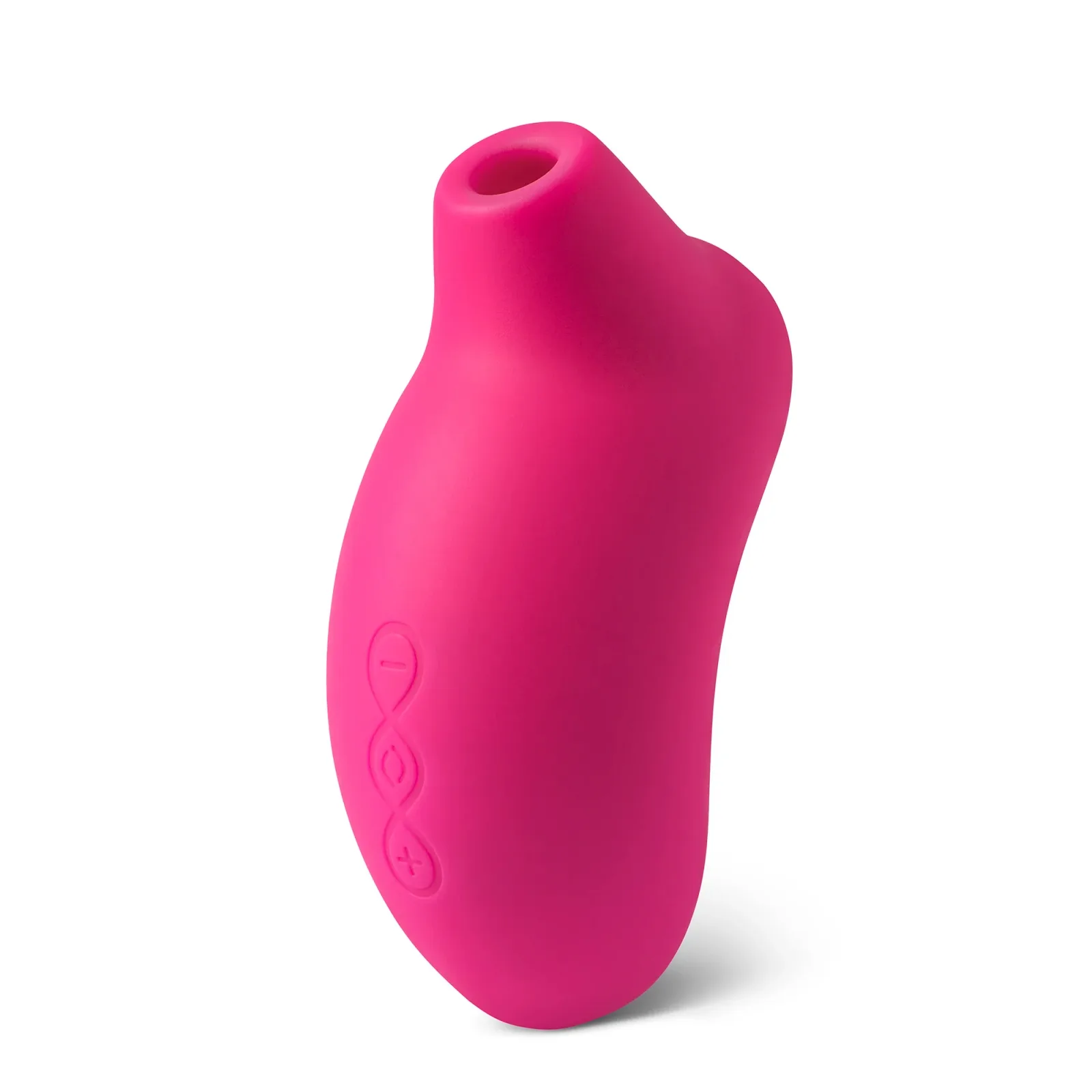
Pleasure Air does not vibrate. It creates air-pressure changes inside a small chamber placed around the clitoris, so suction and push alternate in a rapid cycle.
The difference is concrete. The silicone head surrounds the glans of the clitoris without touching it. Moving air carries the stimulation. Many users describe a rhythmic suction, not a buzz.
That is why some people who found classic vibrators too intense or too spread-out get along with this format. The action is tightly focused, and the lack of direct contact changes the feel of the contact.
The trade-off is placement. A poorly seated device simply does nothing, whereas a poorly placed vibrator still gives you something. That is the main reason first tries disappoint. Our suction stimulators category gathers the models sold in Canada.
How a Bavarian retiree built the first device
The story starts in a basement, not a lab. Michael Lenke, a retiree living in Bavaria, read figures showing that women reached orgasm far less often than men. He started building prototypes from an old aquarium pump.
His idea was that alternating pressure around the clitoris, suction then push, could produce an effect that was otherwise out of reach. Someone had to test it, and it could not be him.
His wife Brigitte therefore tried the successive versions for about two years, adjusting pressure and rhythm each time. The patent was filed in 2014, while the couple was still working from their living room, with no investor and no incubator.
Demand rose so fast that the Lenkes sold the company four years later. They could not keep up. The invention then merged with the Canadian brand We-Vibe in 2018 inside WOW Tech Group, and joined Lovehoney Group in 2021. The Womanizer brand page traces that line.
Air pulse or vibration, what actually changes
| Criterion | Air pulse | Classic vibration |
|---|---|---|
| Physical principle | Alternating air-pressure waves | Mechanical oscillation of a motor |
| Contact with the clitoris | Indirect, the head surrounds the glans | Direct, the device touches the area |
| Described sensation | Rhythmic suction and pulsation | A shallower or deeper buzz |
| Action zone | Very targeted on the clitoris | Wider, depending on the shape |
| Handling | Precise placement required | More forgiving of adjustments |
| Underwater use | Varies by model | Varies by model |
Neither approach wins in the abstract. They suit different sensitivities, and many people end up switching depending on the moment.
What ten years changed beyond the device
A decade is a long stretch in this industry. The first change is ordinary and still real: normalization. A product once sold in back rooms now sits in pharmacies and wellness shops, in packaging that talks about sexual health rather than fantasy.
The second change is less expected. The brand funded research on a field medicine has largely left aside: female pain and pleasure.
A clinical study on menstrual pain
In May 2020, a study named Menstrubation launched with the Finnish menstrual-cup brand Lunette. The goal was to measure whether masturbation could reduce period pain.
Here is what to keep:
- 486 menstruating people took part, selected at random
- For three months, they replaced their usual painkillers
- Seven participants out of ten reported a drop in pain intensity
- Nine out of ten would recommend the practice to someone close
The results were reviewed and validated by a clinical psychologist and sex therapist. That kind of protocol is still rare in a sector that more often leans on in-house surveys.
The third change is the sales network. To mark ten years, the brand also ran a global contest in spring 2024 for staff in partner shops, from March 8 to May 6. In-store advice still matters for a product that needs explaining.
If you are torn between models, ask your questions in a shop before you buy online. A trained seller will save you time, and will keep you from buying a format that ends up in a drawer.
How to choose an air-pulse device without guessing
Start with the size of the silicone head. That is what decides whether the device seats correctly, and anatomy varies a lot from one person to the next. Several ranges offer interchangeable tips for that reason.
The number of intensity levels matters less than people think. What matters is how gentle the first level is. A device whose lowest setting is already too strong becomes unusable for sensitive people.
A few points to check before you buy:
- The material of the head, ideally medical-grade silicone
- The stated waterproofing if you plan to use it in the shower
- The charging method and the stated battery life
- The warranty length the manufacturer offers
Finally, be wary of cheap copies. The look of air-pulse is easy to copy. The quality of the motor and the seal of the pressure chamber are not. A poorly fitted chamber loses pressure and the effect disappears.
Conclusion
Ten years after its patent, Pleasure Air did two things. It created a product category that did not exist, and it pushed a whole industry to talk about sexual health rather than mere entertainment. A Bavarian retiree with an aquarium pump had more influence on the subject than many awareness campaigns.
If you are considering a first purchase, compare head sizes and intensity steps before you decide, and ask a specialized retailer when you need a second opinion.