












Buying guide
The best silicone based lube in Canada, and where it must not go
An independent Canadian guide to silicone lube: what it does better than any other base, which materials it may touch, and the one rule that costs people a toy when they ignore it.
Updated September 2026 · Adults 18+
Silicone lube does one thing better than any other base: it lasts. It does not absorb into skin the way a water base does, so a single application carries a long session without turning tacky, and it is the only type that works under water, in the shower or the bath. The glide is silkier, a little goes a long way, and because the formula is minimal and water free, it is often the gentlest option for skin that reacts to everything else.
There is exactly one catch, and it is the one most pages answer too bluntly: silicone lube and silicone toys do not mix reliably. If your main use is a silicone dildo, plug or vibrator, this is the wrong bottle, and the section below explains why, with the nuance that the one word answers leave out.
Start here
This page goes deep on the silicone base. The four type picture lives on the pillar, and material by material compatibility also has its own guide.
- All lubricants, The pillar guide and the full four type comparison.
- Water based lubricants, The everyday base, and the one your silicone toys want.
- Anal lubricants, Where this base is the usual recommendation.
- Which lube with which toy, The full compatibility matrix, material by material.
How we documented this page
Straight answer: we have not lab tested lubricants and we will not pretend we have. This page explains a base and its material rules, not an in house ranking.
- Use and compatibility first: what you are doing, then what the product will touch, a condom, skin, or a toy.
- The catalogue grid further down comes from our product database. A product specification lives on its own page, not on this one: we add no figure, no score and no measurement here.
- The compatibility rules come from toy and lube manufacturers and from material science. Always confirm against your own toy's and lube's instructions. See our methodology.
What silicone lube is, and when it wins
Silicone lube is a water free, anhydrous product built from a few silicone compounds. You will see names from the dimethicone family on the label, sometimes with a little vitamin E. Because there is no water in it, nothing evaporates and nothing needs preserving, which explains everything about how it behaves.
Against a water base. Water based feels natural, rinses off, and works with every toy including silicone, but it dries and needs topping up. Silicone is its mirror image: it holds far longer, it never dries, it works under water and it feels silkier, but it needs soap, it can mark fabric, and it does not go on a silicone toy. The other base is covered in full on its own page.
Against hybrid and oil. A hybrid is mostly water with a little silicone blended in: it holds longer than a water base and cleans up more easily than pure silicone, but its safety with a silicone toy depends on the blend. Oil lasts a long time too, but it degrades latex condoms, which silicone does not. The full four type picture is on the lubricants pillar.
A useful way to think about it: silicone is not the everyday default, the water base is. But for the specific jobs it is built for, long sessions, the shower, anal play and difficult skin, nothing else comes close.
The rule that matters
What silicone lube may touch
Material by material, the verdict and the alternative where there is one.
Silicone lube compatibility: silicone toys, glass and steel, skin, condoms, fabric.
Material
Silicone toys
- Silicone lube
- Avoid as a default. Silicone can bond to silicone, leaving a tacky patch that dulls or damages the surface, and it does not come back.
- What to use
- A water based lube, or a verified toy safe hybrid.
Material
Glass, stainless steel, ABS
- Silicone lube
- Compatible, and this is where silicone lube is at its best: it lasts and stays slick.
- What to use
- Nothing to change. Wash the toy with soap afterwards.
Material
Skin
- Silicone lube
- Compatible, and the reason people buy it. It does not absorb, so one application carries a long session.
- What to use
- Nothing to change. Soap and water to wash it off.
Material
Latex and non latex condoms
- Silicone lube
- Compatible. It is oil that weakens latex, not silicone.
- What to use
- Nothing to change. Read the condom packaging as well.
Material
Fabric and sheets
- Silicone lube
- It can leave a residue that plain water will not lift, which is the most commonly reported annoyance.
- What to use
- A towel down, a modest amount, and pre treat the spot before laundering.
These rules describe the base as a category. Always confirm against your own toy's and lube's instructions, and for the full matrix, see which lube goes with which toy.
Can you use it with a silicone dildo or toy
This is the question that trips up the most buyers, and it deserves better than a flat no. Here is the accurate version.
The rule: as a default, no. Silicone can bond to silicone. Nothing melts, but the lube can chemically bond to the toy's surface and leave a tacky patch that dulls or damages it, and once bonded you essentially have to scrape it off. Since most good dildos, plugs and vibrators are silicone, the everyday answer for a toy is a water based lube.
The nuance the blunt pages skip. Not all silicone is equal. The problem is worst with a lower grade silicone on either side, and two high purity silicones tolerate each other better. Some manufacturers have even tested specific pairings of their own toy and their own lube and state they remain compatible. So saying silicone lube instantly destroys a silicone toy is an overstatement: the risk is real, it is product dependent, and it is usually gradual.
If you want to try, patch test properly. Put a drop on the toy's base or flange, the part that does not matter, leave it, and look for any change: swelling, a tacky feel, a dulled surface. Sources disagree on timing, some reporting an immediate reaction and others degradation over hours or days. So check after a few minutes and again after a few hours, and stop at the first sign. Two safer workarounds: wash the toy soon after use, or put a condom over the toy, which makes any pairing safe.
The bottom line: it is not worth risking a toy to avoid reaching for a different bottle. Keep silicone for skin and for glass, stainless steel and ABS toys, where it lasts beautifully, and keep a water base for your silicone toys. If you are shopping for one, our silicone dildos pair naturally with a water base.
Why this base suits skin that reacts
This is the part almost no roundup explains, and it is a real reason to choose silicone. Most lube irritation comes from things silicone does not contain. A water based formula has to manage a concentration and a pH, and it usually includes glycerin and preservatives, which are exactly the ingredients most likely to sting or irritate.
A silicone lube sidesteps all of that. Being water free, it needs no preservative and it has no pH or concentration to get wrong, and a good one is a handful of inert molecules that sit on the surface rather than being absorbed. That is why it keeps coming up for people who react to everything else, and in dryness discussions where a long lasting, low irritant glide matters.
Two honest caveats. Choose an unscented, minimal formula, because a flavoured silicone reintroduces the very irritants you were avoiding. And allergy to silicone is rare without being impossible, so patch test on your inner forearm and wait a few hours before relying on it. For recurring irritation, talk to a doctor or pharmacist. See our intimate well-being section.
What to look for
Reading a silicone lube label
Five lines are enough, and none of them is on the front of the bottle.
Reading a silicone lube label: ingredients, texture, cleanup, reactive skin, where it will be used.
Check
Ingredient list
- What it means
- A good silicone lube is a handful of silicone compounds, the dimethicone family, sometimes with a little vitamin E. Short is the whole point of the category.
- Watch for
- A flavoured or scented silicone. The additives are the irritants, not the silicone, and they undo the reason you chose this base.
Check
Texture
- What it means
- Silicone runs from thin and slippery to thicker and cushioning. Thinner suits general glide, thicker suits anal play.
- Watch for
- Buying on thickness alone. Every silicone lube outlasts a water base, so texture is a comfort choice, not a hold choice.
Check
Cleanup
- What it means
- Soap and water on skin and on non silicone toys. Plain water will not lift it, because the point of the base is that water does not touch it.
- Watch for
- Letting it sit on a silicone toy. Time is what turns contact into bonding, so wash soon rather than later.
Check
Reactive skin
- What it means
- Being water free means no preservative, no glycerin, and no pH or concentration to get wrong, which is why it often suits skin that reacts to everything else.
- Watch for
- Assuming gentle for most means gentle for everyone. Silicone allergy is rare rather than impossible, so patch test first.
Check
Where it will be used
- What it means
- The shower, a long session, anal play, or a glass or steel toy are where this base earns its place over a water one.
- Watch for
- A drawer full of silicone toys. That is the one use case where this base is the wrong buy, whatever the bottle promises.
A practical setup for most people: one silicone lube for long sessions, the shower and anal play on skin or a non silicone toy, plus one good water based lube for everyday use and for your silicone toys. Between them they cover almost everything. The products we carry in this category are in the grid below, with their own page for the specifications.
Safety and sensible use
- Patch test on your inner forearm before internal use if your skin reacts. Silicone allergy is rare, not impossible.
- Match the lube to the toy and the barrier: not on a silicone toy, no problem with a latex condom. A condom over the toy settles any doubtful pairing.
- Mind the shower. It stays slick under water, which is the point, but it also makes a tub or a tiled floor genuinely slippery.
- Skip numbing and desensitising products, especially for anal. Pain is a signal, not noise to mute.
- Wash with soap and water on skin and on non silicone toys, and do not let it sit on a silicone toy. See how to clean your toys.
- Follow the manufacturer instructions on each product: they override any general guidance here.
This is general information, not medical advice.
Questions
Frequently asked questions
What readers ask before buying a silicone lubricant in Canada.
What is the best silicone based lube?
There is no single best one, it depends on the job. For long sessions and for the shower, a plain unscented silicone lube is the versatile choice, and for anal play a slightly thicker one earns its place. For reactive skin, look for the shortest ingredient list you can find and nothing added for flavour or scent. What silicone is not the best choice for is a silicone toy, and that is worth knowing before you buy rather than after.
What are the downsides of silicone lube?
Three, mainly. It needs soap to wash off, because plain water will not lift it. It can leave a residue on sheets and fabric. And it should not be used on silicone toys, since silicone can bond to silicone and damage the surface. None of the three is a dealbreaker once you know them: use a modest amount, put a towel down, and keep it away from your silicone toys.
Can you use silicone lube with a silicone dildo or a silicone toy?
As a rule, no. Silicone can bond to silicone, which leaves a tacky patch that dulls or damages the toy, so pair silicone toys with a water based lube. The nuance the blunt answers skip: higher purity silicone on both sides is more tolerant, some toy and lube makers have tested specific pairings and state they stay compatible, and the damage is usually gradual rather than instant. If you want to try anyway, patch test a drop on the base or flange, check after a few minutes and again after a few hours, and stop at any change. A condom over the toy makes any pairing safe.
What is the best lube for silicone sex toys, then?
A body safe water based lube. It is compatible with every toy material, silicone included, and it rinses off with water, which is why it is the default pairing for plugs, dildos and vibrators. Keep the silicone lube for skin and for glass, steel and ABS toys, where it lasts beautifully and there is nothing to bond to.
Is silicone lube good for sensitive skin?
Often, yes, and the reason is structural rather than marketing. Silicone lube is water free, so it needs no preservative, it carries no glycerin, and it has no pH or concentration to get wrong, which removes most of what irritates people in a water based formula. A good one is a few inert molecules that sit on the surface. Choose an unscented, minimal formula, and patch test anyway, because a rare few people do react.
Is silicone lube safe with condoms?
Yes, with latex and non latex condoms alike. The lubricant that damages latex is the oil based one, not silicone, and that includes coconut oil and household oils. Read the condom packaging as well, since a manufacturer instruction always overrides a general rule.
How do I wash silicone lube off skin, toys and sheets?
Soap and warm water on skin and on non silicone toys, because plain water will not cut it. On fabric, pre treat the spot with a little dish soap before the wash, since the lube repels water and can otherwise leave a mark. And do not leave it sitting on a silicone toy, which is exactly the contact that lets it bond.
Does silicone lube last longer than water based?
Yes, by a wide margin. It does not absorb into skin and it does not evaporate, so a single application carries a long session and it keeps working under water, where a water base simply rinses away. That longevity is the whole reason to own it. The price you pay is the cleanup and the toy compatibility rule.
Silicone or water based, which should I get?
If you can only own one, water based is the more versatile everyday default, since it is compatible with every toy and rinses off. Silicone wins for long sessions, for the shower, for anal play and for skin that reacts to water based formulas. Most people end up owning one of each and reaching for silicone when hold matters and no silicone toy is involved.
Is silicone lube good for anal?
Yes, and it is the usual recommendation, because the rectum does not lubricate itself and this base does not dry out. Use it with skin or with glass, steel and ABS toys, avoid numbing formulas whatever the base, and switch to a thick water based lube if a silicone plug or dildo is involved. The anal lubricants page carries the full decision.
Does silicone lube stain sheets?
It can leave a residue or a mark on fabric, unlike a water base which usually washes out. The fix is not a special product: use a modest amount, since a little goes a long way, put a towel down, and pre treat any mark with a little dish soap before laundering.
Is silicone lube safe in the shower or the bath?
Yes, and it is the only type that is. It stays slick under water where a water based lube rinses away, which is precisely why people keep a bottle for the shower. One practical warning that has nothing to do with the body: it makes a tub or a tiled floor genuinely slippery, so move carefully and rinse the surfaces afterwards.
Why does silicone lube have no pH or osmolality to check?
Because there is no water in it. Those two properties describe how a water based formula behaves against the cells it touches, and they are the reason the ingredient list matters so much on that base. An anhydrous silicone lube has neither, which is why this page spends its time on materials and cleanup instead. The lubricants pillar covers the water based science in full.
Catalogue
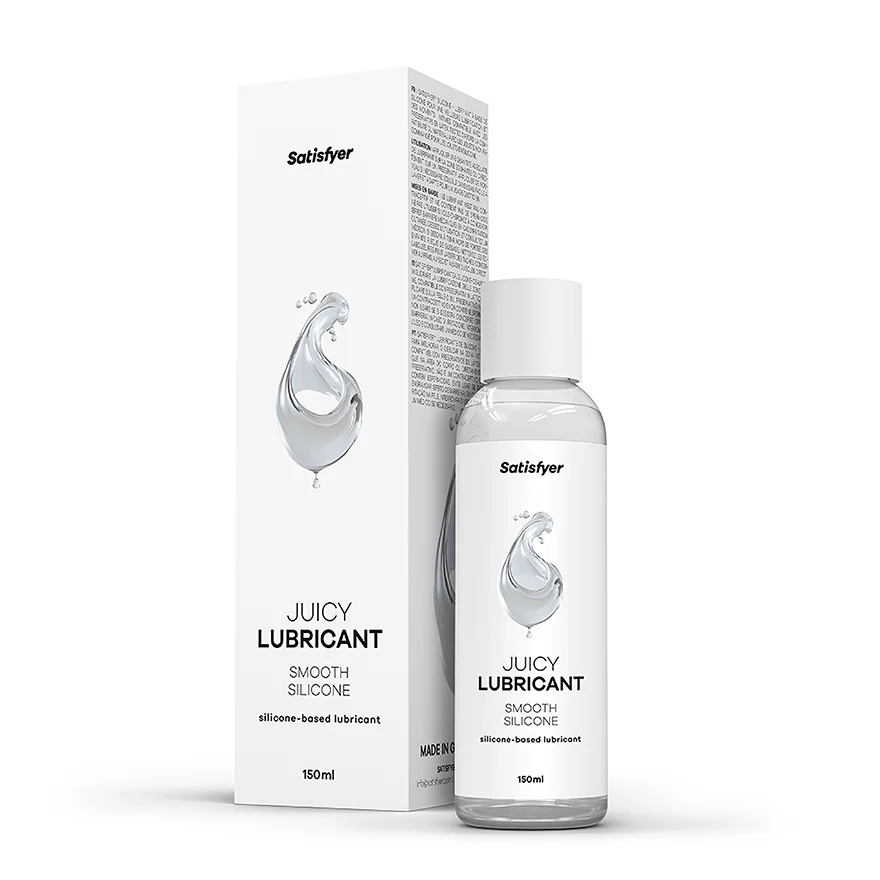
Silicone based lubricants
Pages built from verified manufacturer specs.
More
Keep reading
All lubricants
The pillar guide: the four types, compatibility and buying.
Water based lubricants
The everyday base, and the one silicone toys want.
Anal lubricants
Where a lasting glide matters most.
Which lube with which toy
Silicone, latex, glass and porous materials, side by side.
Sex toy materials
What body safe silicone means, and what it does not.
How to clean sex toys
Soap, water, and what never goes in boiling water.
Silicone dildos
The toys that want a water base, not this one.
Dildos
Silicone, glass and steel, each with its own lube rule.
Vibrators
Silicone bodies, so a water base every time.
Anal toys
Flared bases, progression, and plenty of lubricant.
Couples toys
Shared wearables and rings, framed for two.
Intimate well-being
Dryness, pelvic floor and barrier products.
Methodology
How Chuchote reads manufacturer specs and sources.