








Buying guide
The best water based lube in Canada, how to choose one
An independent Canadian guide to water based lubricant: what it does better than the other bases, which formulas last and which get sticky, and what to read on the label.
Updated September 2026 · Adults 18+
Water based lube is the one most people should own. It feels the closest to natural, it washes off with water, and above all it is compatible with everything: latex and non latex condoms, and every toy material including silicone. That is why it stays the default for everyday sex, for toys, and for anyone using lubricant for the first time.
It has exactly one real weakness, and it is the thing every shopper is trying to solve: it dries out. The two questions people ask most about it, which one lasts longest and which one is not sticky, both come back to that. This page answers both, because the rest, scent and bottle size, only gets decided afterwards.
Start here
This page goes deep on the water base. The full four type picture lives on the pillar, and material by material compatibility has its own guide.
- All lubricants, The pillar guide and the full four type comparison.
- Silicone based lubricants, The endurance base, when reapplying is the dealbreaker.
- Anal lubricants, Where a thick water base meets a silicone toy.
- Which lube with which toy, The full compatibility matrix, material by material.
How we documented this page
Straight answer: we have not lab tested lubricants and we will not pretend we have. This page explains a base and its compatibility rules, not an in house ranking.
- Use and compatibility first: what you are doing, then what the product has to work with, a condom or a toy.
- The catalogue grid further down comes from our product database. A product specification lives on its own page, not on this one: we add no figure, no score and no measurement here.
- The osmolality figures quoted below come from a published source, not from our own measurements. See our methodology.
What a water base does well, and what it does not
Water based means the main ingredient is water, thickened and stabilised into a gel or a fluid. That base decides everything about how the product behaves.
Its strengths. Compatibility with everything, first: latex and non latex condoms, and every toy material including silicone, which is what most quality toys are made of. Then a feel close to the body's own lubrication and a cleanup with plain water, no soap, no residue, and it usually washes out of sheets. Finally a real case for reactive skin, because this is the category where the cleanest formulas exist.
Its weakness. It dries out. The water absorbs and evaporates, so it gets tacky as it dries and needs topping up over a longer session. How fast it dries, and how sticky it gets on the way, varies a lot between formulas. One habit is worth more than any brand here: a few drops of water revive a drying lube better than another layer of product.
If drying and reapplying genuinely bother you, that is the signal to consider silicone lubricant, which lasts far longer but cannot go on silicone toys.
The decision
Water based or silicone
The two bases most people are actually comparing, criterion by criterion.
Water based against silicone: feel, hold, toy and condom compatibility, cleanup, reactive skin.
Criterion
Feel
- Thick water based
- Closest to the body, and it rinses off with plain water.
- Silicone
- Silky and slippery, and it needs soap to come off.
Criterion
Hold
- Thick water based
- Short. It absorbs and evaporates, so you top it up.
- Silicone
- Longest. It does not absorb, so it does not dry out.
Criterion
Silicone toys
- Thick water based
- Compatible, including silicone. This is the deciding line.
- Silicone
- Avoid. It degrades a silicone surface over time.
Criterion
Latex condoms
- Thick water based
- Compatible, latex and non latex.
- Silicone
- Compatible.
Criterion
In the shower
- Thick water based
- Washes away as you go.
- Silicone
- Stays slick under water.
Criterion
Cleanup and fabric
- Thick water based
- Rinses off, and it usually washes out of sheets.
- Silicone
- Soap and water, and it can leave residue on fabric.
Criterion
Reactive skin
- Thick water based
- The category to shop in: short, fragrance free, low glycol formulas exist.
- Silicone
- Very few ingredients, with no pH or concentration to watch.
Criterion
The catch
- Thick water based
- It dries, and the thickeners that make it last also make it tacky.
- Silicone
- It rules out every silicone toy you own.
In one line: silicone toys, the simplest cleanup, or a first time, take water based. Maximum hold or shower play without silicone toys, take silicone. For the full four type picture, hybrid and oil included, see the lubricants pillar. And one combined rule worth remembering: water based is the only type that is safe with silicone toys, condoms and sensitive skin all at once.
What to look for
By the need that brought you here
Six needs, what each one means on a label, and the trap that goes with it.
Choosing a water based lube by need: everyday, reactive skin, dryness, hold, stickiness, natural.
Check
Everyday sex
- What it means
- The default most people should own: toy compatible including silicone, condom compatible, unscented, and glycerin free if your skin is at all reactive.
- Watch for
- A long ingredient list with added fragrance. On an everyday bottle, shorter is the thing to optimise for.
Check
Reactive skin, no glycerin
- What it means
- The most common unmet need. Look for glycerin free, fragrance free, paraben free, a low glycol content, and a pH suited to vaginal use.
- Watch for
- Warming, tingling and heavily flavoured formulas. The sensation agents are the frequent irritants here.
Check
Dryness and menopause
- What it means
- A lubricant reduces friction during sex. A vaginal moisturiser is used every few days for ongoing dryness. They do different jobs and many people use both.
- Watch for
- Treating a lubricant as a treatment for persistent dryness. That is a conversation for a doctor or a pharmacist.
Check
Hold
- What it means
- Thicker, plant or aloe forward gels last longer than thin, glycerin heavy fluids. A few drops of water revive a drying lube better than adding more product.
- Watch for
- Expecting silicone longevity from a water base. Physics decides that one, so step up a type instead.
Check
Stickiness
- What it means
- Tack comes from the thickeners and the glycerin that also make a lube last, so lighter formulas with a short list feel least sticky.
- Watch for
- Hoping for a formula that lasts forever and never gets tacky. That trade off is real and no label removes it.
Check
Natural
- What it means
- Not a regulated word. In practice it means a short, plant or aloe forward list with no glycerin and no added fragrance, and it stays condom and toy compatible.
- Watch for
- Oils sold as natural lubricant. Oil degrades latex condoms, which a genuine water based formula never does.
Our water based range is still small and specialty focused. The products we carry in this category are in the grid below, with their own page for the specifications. As the range grows we will name specific products here rather than only describing what to look for.
What concentration and pH change
This is the part the roundups leave out, and it matters more for a water base than for silicone, which has neither a pH nor a concentration to watch. Since water based is the versatile everyday choice, reading its formula properly is worth a minute.
Osmolality measures how concentrated the product is compared with the cells it touches. A lubricant far more concentrated than the surrounding tissue can draw water out of it and leave the mucosa irritated. The procurement specifications published by UNFPA recommend that the osmolality of a personal lubricant ideally not exceed 380 mOsm/kg, with a procurement limit below 1,200 mOsm/kg, and they name glycols as the main contributor. The same document notes that lubricants can irritate or damage vaginal and rectal tissue. Most labels do not print that figure, so a short, low glycol formula stays the practical proxy.
pH matters for a related reason. Healthy vaginal pH is acidic, which keeps protective lactobacilli happy, and a formula far outside that range can disturb the balance. One nuance, so this is not overstated: these benchmarks justify preferring a short, fragrance free, low glycol formula if your skin reacts. They are not a reason to treat every pharmacy bottle as dangerous.
Ingredients to watch in a water base, especially if you are prone to irritation:
- Glycerin, or glycerol, high on the list. It is the single most useful thing to check: it raises the concentration, it can feed yeast, and it is a main cause of stickiness.
- Propylene glycol in quantity, a frequent cause of stinging on sensitive tissue.
- Added fragrance and flavour in anything used internally.
- Spermicide, and warming, tingling or cooling agents internally if you are sensitive.
Green flags: a short list, glycerin free or low glycerin, paraben free, fragrance free, and a pH suited to vaginal use. This is general information, not medical advice.
How to choose a water based lube
- Confirm the water base is your type. Silicone toys, condoms, reactive skin or a wish for simple cleanup, it is the right call. A long session or the shower without silicone toys, look at silicone instead.
- Read the ingredients, this matters most. Shorter is generally better. Glycerin free and fragrance free are the two flags most worth having.
- Pick your priority, hold or non sticky. They pull against each other. A thicker aloe gel holds better, a lighter formula feels less tacky, and you will not get both at the maximum.
- Match it to the need. Everyday, a first time, toys, dryness: the six rows in the table above give the criterion that decides each one.
- Then preference. Scented or neutral, trial size or big bottle. It only matters once the ingredients and the use are settled.
A practical default for most people: one clean, unscented, glycerin free water based lube covers the large majority of situations. Add a silicone only if you specifically want long sessions with nothing to reapply.
Safety and sensible use
- Patch test on your inner forearm before internal use if your skin reacts, and wait a few hours.
- A water base makes compatibility easy: it works with every condom and every toy material. The two rules that trip people up, oil breaking latex and silicone lube degrading silicone toys, do not apply here.
- Be cautious with homemade substitutes. Coconut oil degrades latex condoms, and saliva is a recognised route for passing infections.
- Mind the expiry and the period after opening, both printed on the product. Separation or a changed smell means it goes in the bin.
- Follow the manufacturer instructions on each product: they override any general guidance here.
- For recurring irritation or infection, move to a glycerin free, fragrance free formula and talk to a doctor or pharmacist if it continues. Persistent dryness is worth a medical conversation too. See our intimate well-being section.
This is general information, not medical advice.
Questions
Frequently asked questions
What readers ask before buying a water based lubricant in Canada.
What is the best water based lube?
There is no single best one, there is a best water based lube for your needs. For everyday sex and for toys, a body safe, unscented, glycerin free formula is the most versatile choice. If your skin reacts easily, or you are prone to yeast or bacterial vaginosis, put the glycerin free, fragrance free, low concentration formula first. If you want maximum hold, accept that a water base dries and choose a thicker plant or aloe gel, or move up to silicone.
What are the downsides of water based lube?
One, mainly: it dries out. The water absorbs and evaporates, so over a longer session it gets tacky and needs topping up, and a few drops of water revive it better than adding more product. Some formulas, usually the thicker glycerin heavy ones, also feel sticky. In exchange you get the widest compatibility of any lubricant, every toy and every condom, and the easiest cleanup, which is why it stays most people default.
Which water based lube lasts the longest?
No water base lasts as long as silicone, and that is a limit of the base rather than of a brand. Among water based formulas, thicker plant or aloe forward gels hold longer than thin, glycerin heavy fluids. The most effective habit is to reactivate with a few drops of water instead of reapplying constantly. If you truly want to apply once and forget, that is what silicone is for.
What makes a water based lube non sticky?
Tack comes mostly from thickeners and glycerin, so a lighter formula with a short ingredient list and little or no glycerin feels least sticky. The catch is that those same ingredients are what make a lube last, so there is a genuine trade off between holding well and never getting tacky. Reviving a drying lube with water, rather than layering more product on top, also cuts the tack.
Is water based or silicone lube better?
Neither in the abstract, they trade off. Water based feels natural, rinses off with water, and is compatible with every toy including silicone and with every condom, but it dries and needs reapplying. Silicone lasts far longer, works under water and never dries, but it degrades silicone toys and needs soap. Using silicone toys or want simple cleanup, take water based. Want maximum hold or shower play without silicone toys, take silicone.
Is water based lube safe with condoms?
Yes. Water based lubricant is compatible with latex and non latex condoms, and it is one of the two condom compatible types, silicone being the other. Only oil based lubricant is unsafe with latex, because oil weakens it, and that includes coconut oil and household oils. For condom users, a water base is the safest all round choice.
Is water based lube safe with silicone toys?
Yes, and this is its headline advantage. A water base is the safe universal choice for every toy material, silicone included, which matters because most quality toys are silicone. Silicone lubricant is the one that degrades a silicone surface over time. If you use silicone vibrators, dildos or plugs, water based is the right pairing, and the compatibility guide has the full matrix.
What water based lube suits sensitive skin?
Look for glycerin free, fragrance free, paraben free, a low glycol content and a pH suited to vaginal use, and avoid warming, tingling and heavily flavoured formulas. Glycerin can feed yeast in susceptible people, and fragrance and glycol agents are frequent irritants. Patch test on your inner forearm first, and do not assume that natural or organic on a label means it will not irritate you.
Is glycerin in water based lube bad?
Not for everyone, but it is the ingredient most worth checking. Glycerol raises the concentration of a water based formula, it can feed yeast, and it is a main cause of stickiness, so people prone to irritation and people who dislike tack often do better without it. If you have never had a problem you may not need to avoid it. If irritation keeps coming back, moving to a glycerin free formula is the first change to try.
What water based lube helps with menopause or dryness?
A gentle, glycerin free, fragrance free water based lubricant, ideally aloe or plant forward, is a sensible starting point for friction during sex. For ongoing dryness between intimate moments a dedicated vaginal moisturiser does a different job, used every few days, and many people use both. Persistent dryness around menopause is worth raising with a doctor or a pharmacist, since prescription options exist.
Is water based lube good for a first time?
Yes, it is the easiest type to get right. It is gentle, it feels close to natural, it cleans up with water, and it is compatible with condoms and with every toy, so there is no compatibility rule to get wrong. The practical advice is short: use more than you think you need, and add more, or a few drops of water, rather than pushing through friction or dryness.
What lubricant do clinicians usually recommend?
For vaginal use the usual advice points to water based, glycerin free formulas with a low concentration and a suitable pH, because they are gentle on tissue. Published procurement guidance points the same way, with an osmolality that ideally stays at or below 380 mOsm/kg and a low glycerol content. For dryness, a vaginal moisturiser may be suggested alongside a lubricant. This is general information, not medical advice.
Can I use water based lube every day?
Generally yes, with a body safe, glycerin free formula. Daily use is exactly where a harsh or heavily scented product is most likely to cause trouble, simply because the exposure repeats. If you reach for lubricant often, the two minutes spent on the ingredient list are worth more than the brand on the front of the bottle.
Does water based lube stain sheets, and does it expire?
It generally washes out of fabric in a normal laundry cycle, unlike silicone and oil based lubricants which can leave residue. And yes, it expires, usually one to three years unopened, with a shorter period once opened that is printed on the product itself. Separation, a changed smell or a changed texture all mean it is time to replace it.
Catalogue
Water based lubricants
Pages built from verified manufacturer specs.
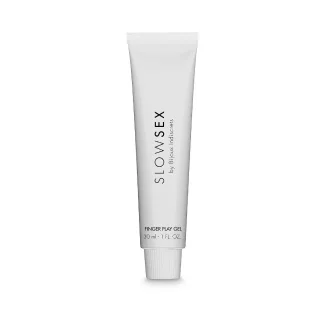
More
Keep reading
All lubricants
The pillar guide: the four types, compatibility and buying.
Silicone based lubricants
Long hold and waterproof, kept off silicone toys.
Anal lubricants
Thicker formulas where the body does not lubricate.
Which lube with which toy
Silicone, latex, glass and porous materials, side by side.
Sex toy materials
What body safe silicone means, and what it does not.
How to clean sex toys
Washing, drying, and what never goes in boiling water.
Vibrators
Silicone bodies, so a water base every time.
Dildos
Silicone, glass and steel, each with its own lube rule.
Anal toys
Flared bases, progression, and plenty of lubricant.
Couples toys
Shared wearables and rings, framed for two.
Intimate well-being
Dryness, pelvic floor and barrier products.
Methodology
How Chuchote reads manufacturer specs and sources.